Construction & project delivery decision-making
without guesswork

Simulate sequencing, staffing, and resource decisions to improve productivity, control cost-to-complete, and protect project margins

Schedule level reliability
Resource utilization
Delay risk visibility

The Challenge — Executing
projects under uncertainty

The challenge is delivering projects on time and on budget while managing resource constraints, variability, and execution risk

  • Static schedules ignore real execution variability
  • Shared crews & equipment create hidden bottlenecks
  • Delays propagate across dependencies and subcontractors
  • Change orders and site constraints disrupt critical paths
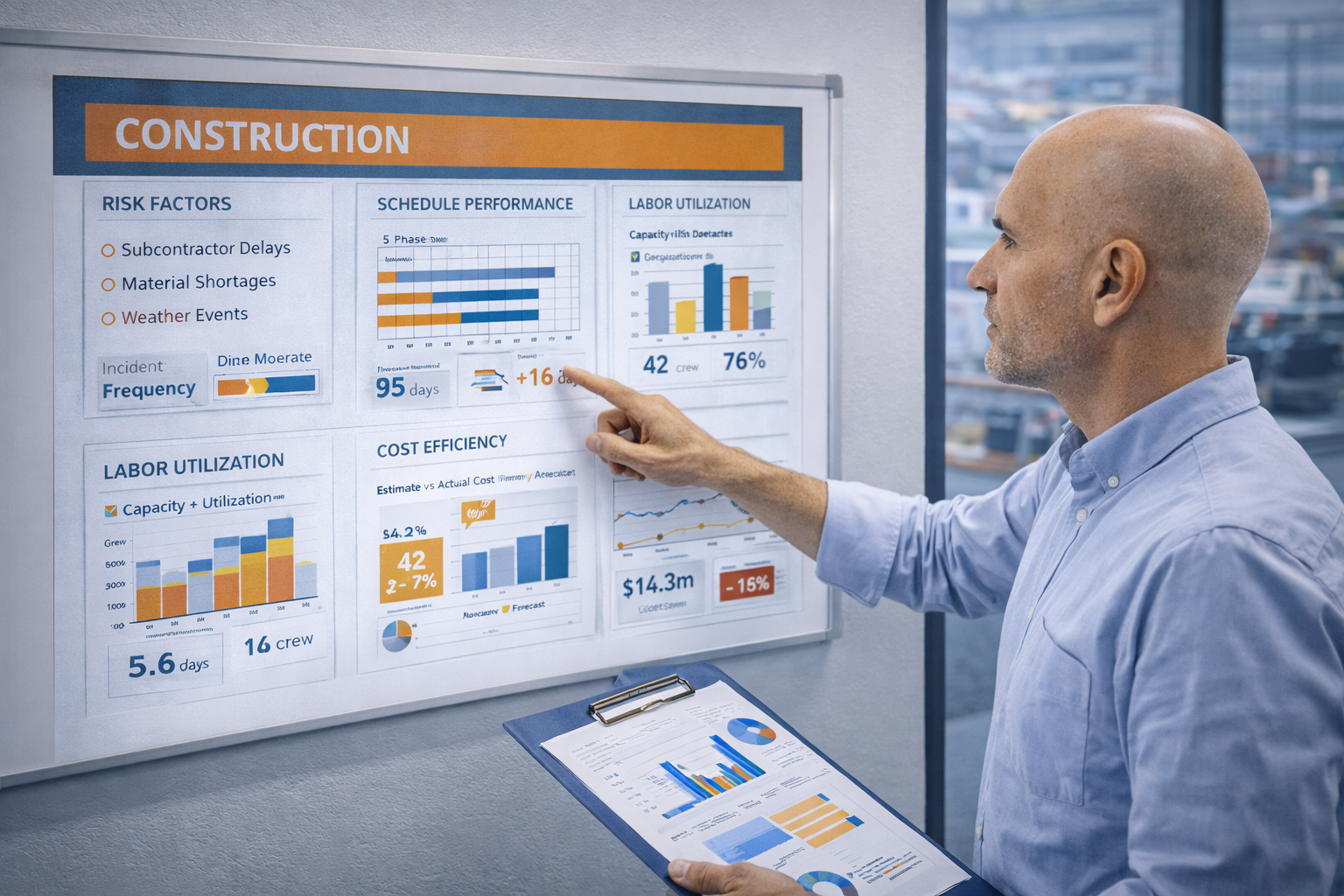
Project execution trade-offs illustration

How Simulares turns project plans
into delivery decisions

Our process

1

We start with real project activities, dependencies,
resources, constraints, and available data

2

Test sequencing, staffing, shift patterns, and buffers
without disrupting live execution.

3

See timeline, cost, and risk impact across scenarios
in a clear, comparable format

4

Select the scenario that delivers
the strongest KPI, margin, and ROI impact
with quantified risk
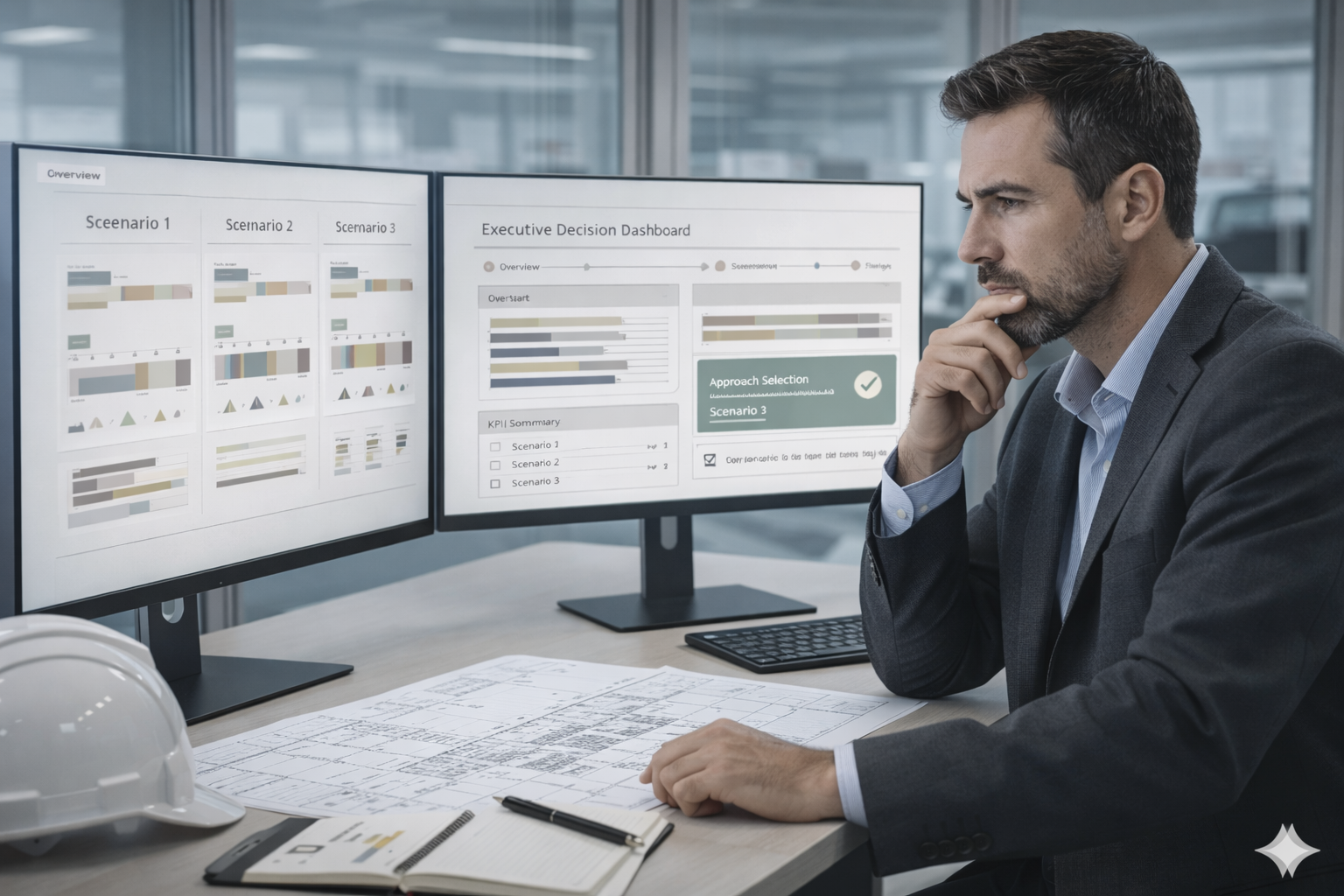
Why construction & project
leaders choose Simulares

Built for leaders who prioritize measurable business results, efficiency, and profitability

Simulares helps leaders move from optimistic plans to evidence-based delivery decisions
without disrupting live work

Decision-first mindset

We focus on delivery outcomes, timeline risk, and actionable trade-offs — not planning theory or visuals
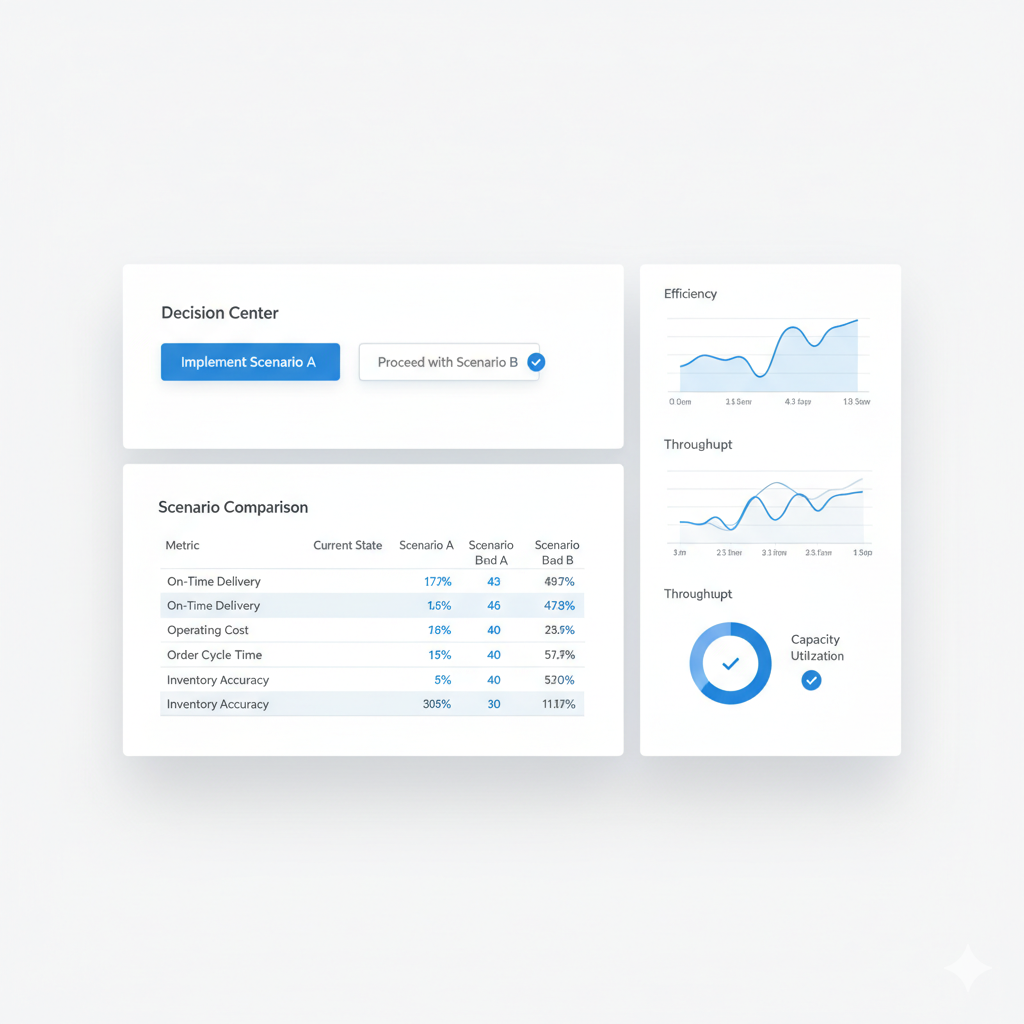
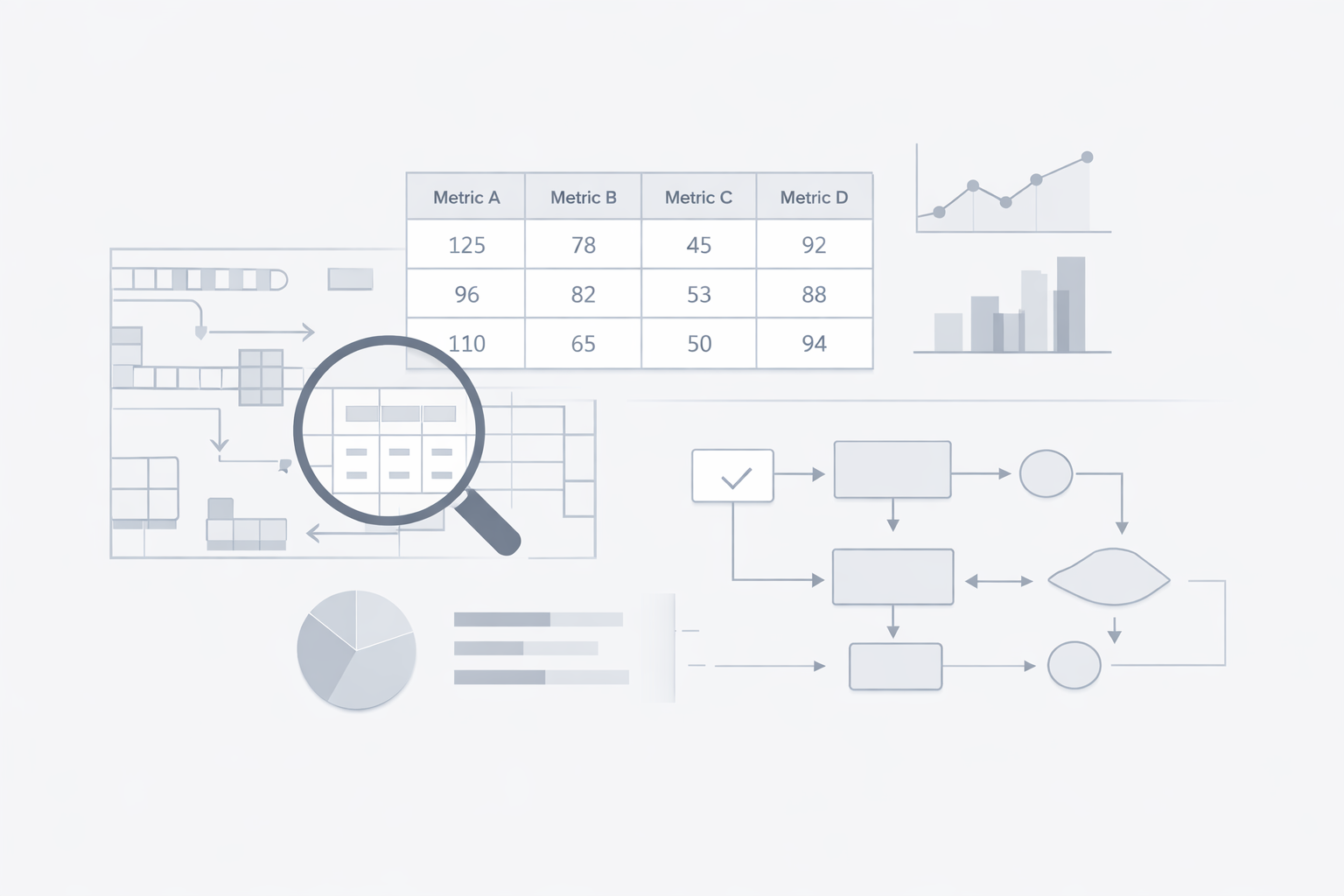
Decision-first delivery examples

Works with existing planning tools

Integrates with CPM schedules, Excel plans, ERP and project data sources — no replacement required
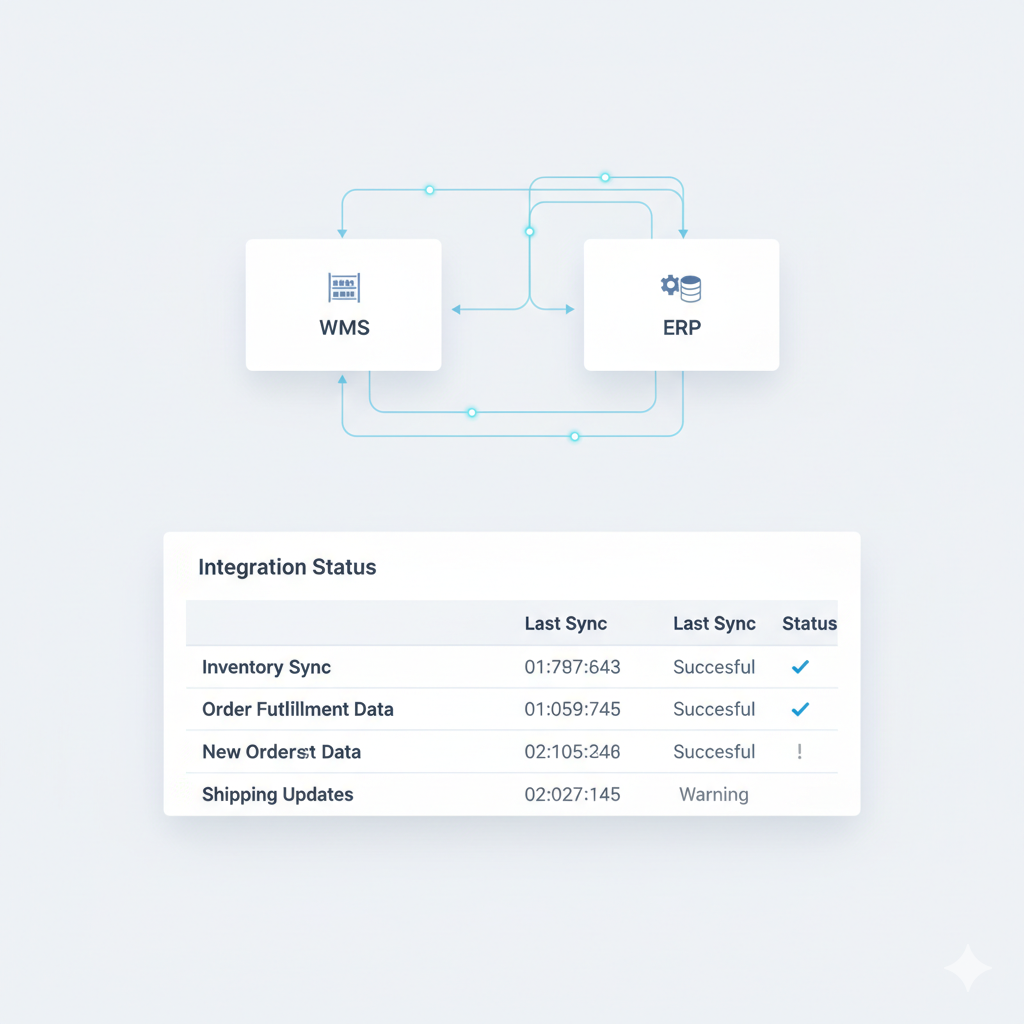
Planning tools integration

Fast pilots, not long transformations

Get decision-ready insights in weeks, not months — with lightweight data and clear scope
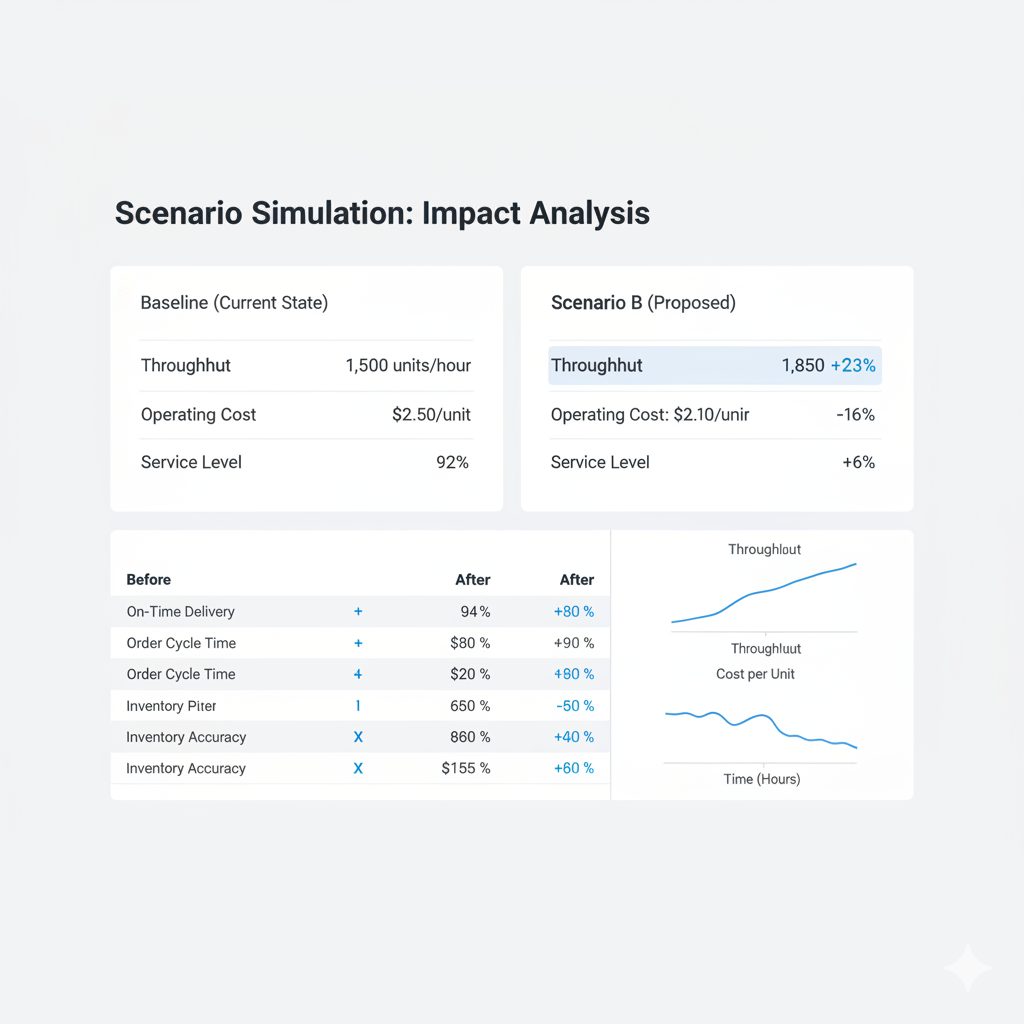
Fast pilot timeline

Risk-aware scenarios

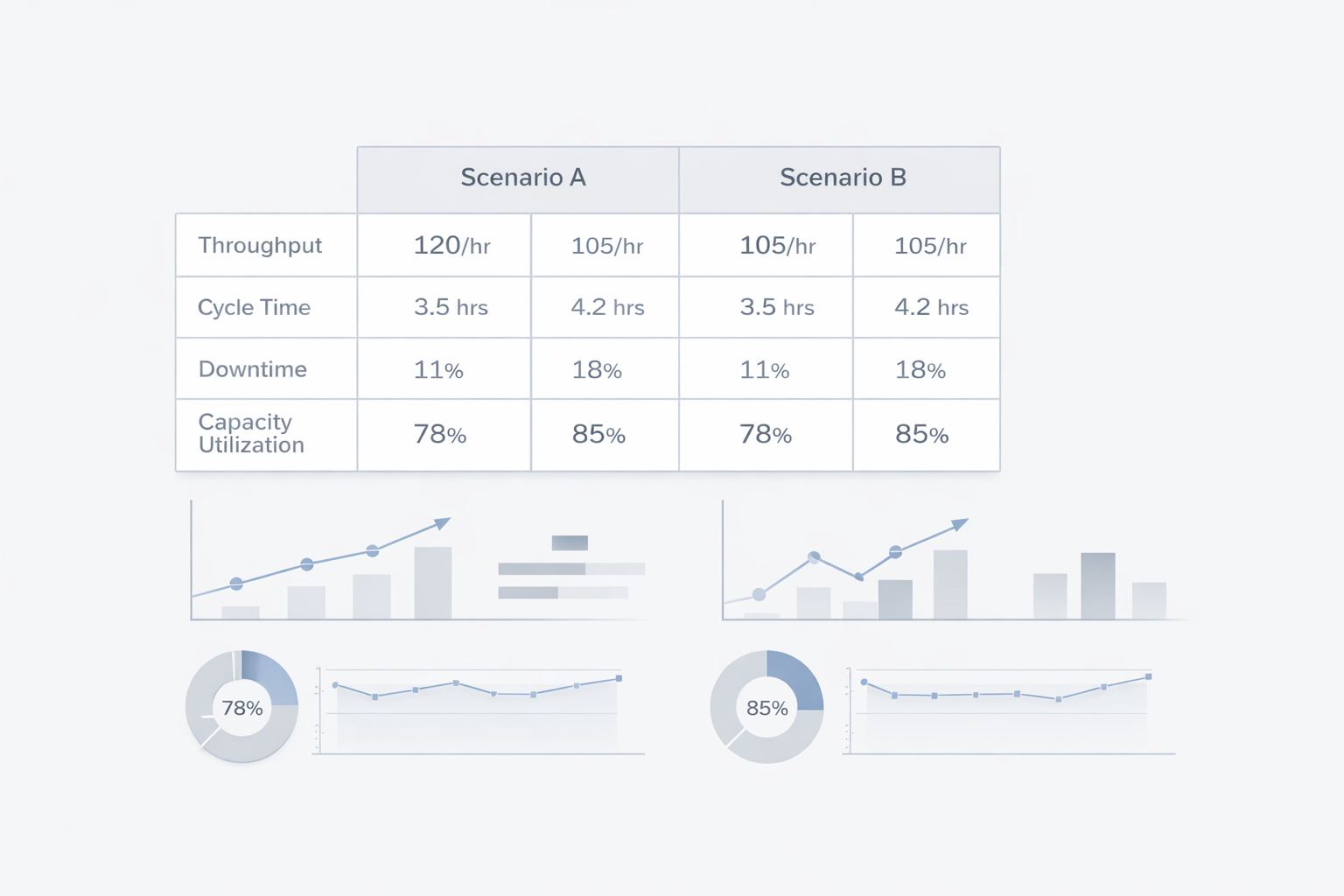
Compare scenarios by probability of meeting milestones, buffer needs, and downstream impact

Risk-aware scenario comparisons

No visual overload

Clear charts built for PMs and executives — not simulation specialists
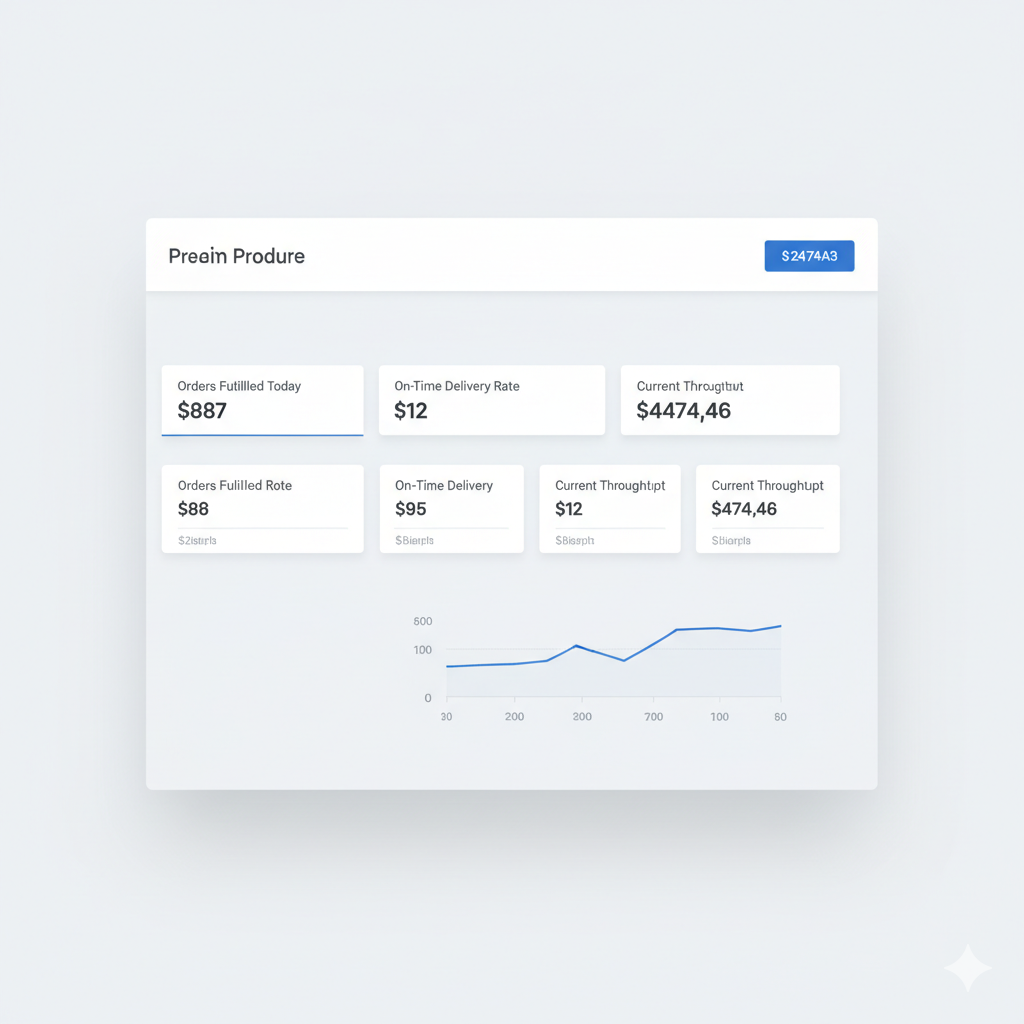
Clear comparisons for delivery decisions

Enterprise-grade security

Built with enterprise data protection, access control, and compliance in mind
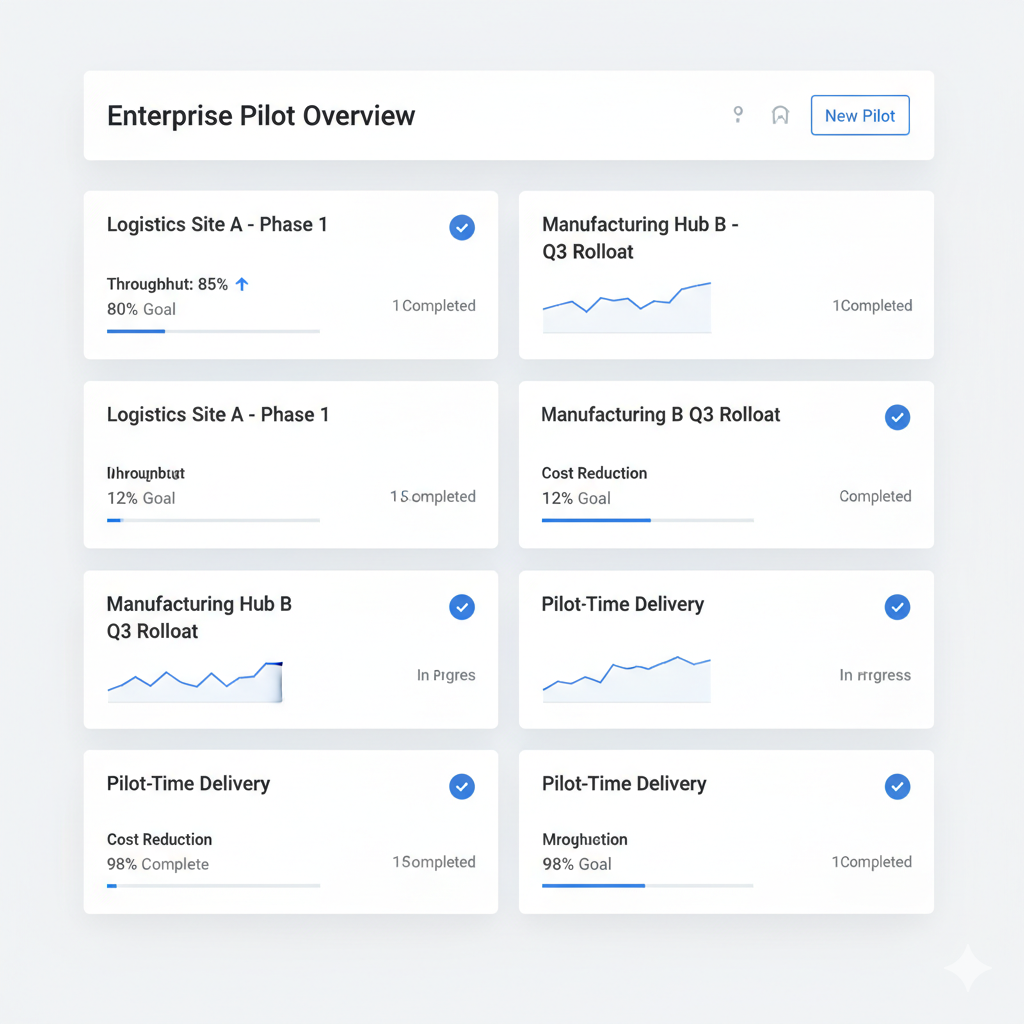
Enterprise-grade security

Clear. Comparable. Actionable.

Core Packages

Discovery

A low-risk entry point to validate simulation value

  • Data quality check and gap identification
  • KPI definition aligned with business decisions
  • Operational walkthrough and constraint mapping
  • Baseline feasibility scan

Frequently Asked Questions

How does Simulares increase profit on construction projects?
Simulares compares scenarios by margin, productivity, and cost-to-complete so teams choose actions that protect profit and reduce cost overruns before execution.
Which construction KPIs can be improved with simulation?
Typical KPIs include schedule adherence, labor productivity, equipment utilization, rework rate, cost variance, cash-flow predictability, and on-time handover.
Can we reduce delays and improve schedule reliability?
Yes. Simulation tests sequencing, crew plans, and constraints to identify bottlenecks early and select options that improve schedule certainty.
Does this help prevent budget overruns?
Yes. Scenarios quantify cost-to-complete impact (labor, equipment, subcontractors, rework) so leaders can validate ROI before committing.
Can we optimize crews, subcontractors, and equipment allocation?
Yes. Simulares helps balance resources across tasks and sites to maximize output per hour and reduce idle time and unnecessary overtime.
How does Simulares support scaling decisions across projects?
Validated playbooks (staffing patterns, sequencing rules, procurement buffers) can be reused across projects with clear KPI and margin impact.
Is this only for large CAPEX projects?
No. It works for project-based operations of many sizes, especially where small changes in sequencing, staffing, or logistics impact profitability.
How fast can we see measurable results?
Most pilots deliver quantified schedule and cost impact within weeks, enabling faster, data-backed decisions during active project phases.
What happens after the pilot?
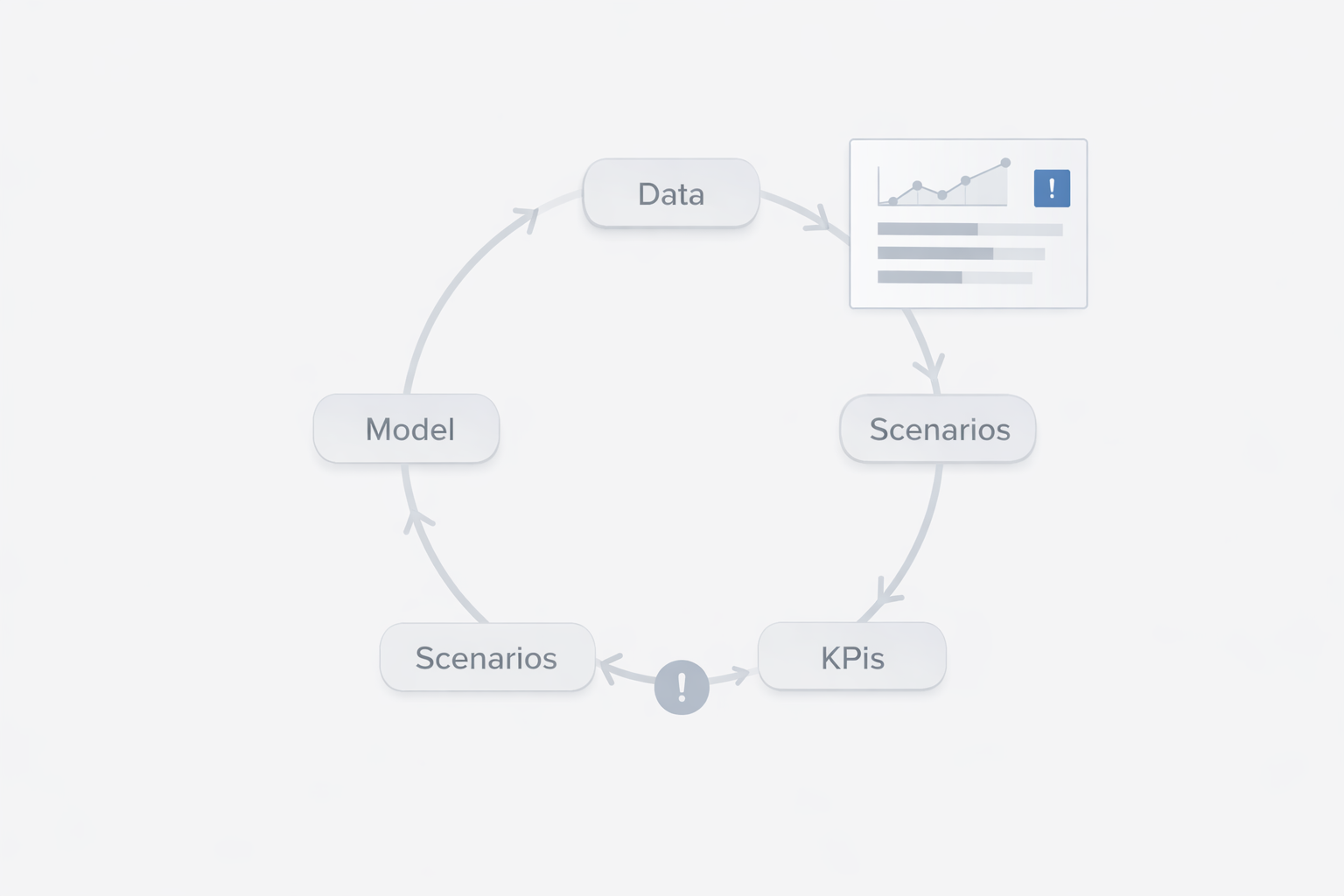
Teams typically expand simulation into a recurring decision cycle for planning updates, risk mitigation, and continuous performance improvement.

Make project delivery decisions with confidence

Validate high-impact decisions in weeks and scale only what improves business results

Start Simulation Pilot